Write-Up Created By-Gade Dillard
In recent years, advancements in vision correction have culminated in the development of innovative techniques, and one of the most interesting options available today is SMILE procedure. Short for Small Incision Lenticule Extraction, this minimally invasive method offers a wealth of benefits for individuals seeking to better their vision. Whether you struggle with nearsightedness or simply wish to minimize your dependence on spectacles or contact lenses, it could be the solution to obtaining sharp vision.
With a focus on effectiveness and the comfort of patients, SMILE eye surgery is quickly amassing interest among those looking for an efficient solution to sight difficulties. But what in detail is SMILE eye surgery, and how does it work? As we explore further into the details of this procedure, we will also investigate the costs associated with this method, its remarkable pros, potential risks, and how it stands up against other options like PRK surgery. Understanding these considerations will help you choose wisely about whether this procedure is the best option for you.
What Is the SMILE Eye Surgery?
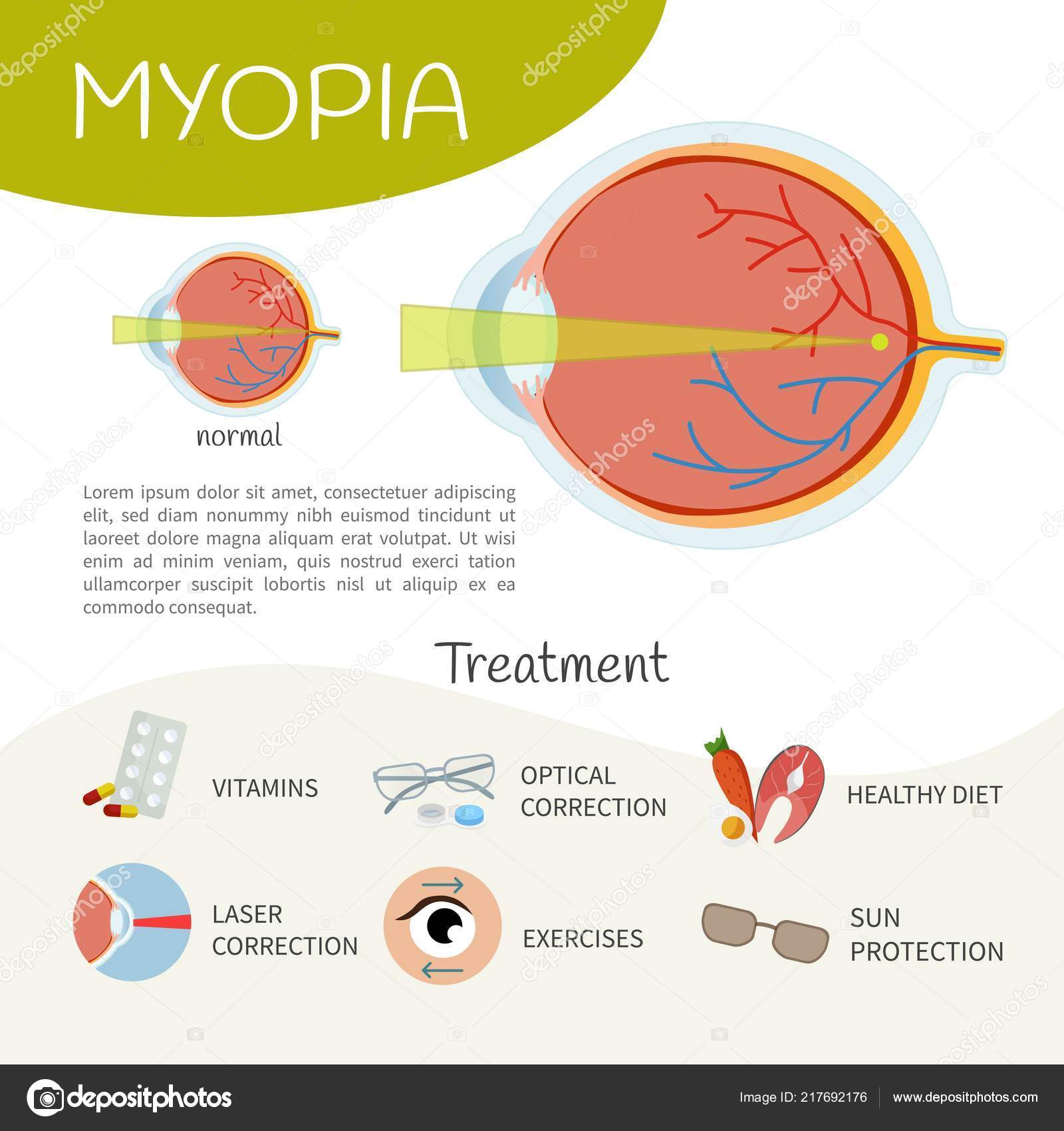
SMILE, or Small Incision Lenticule Extraction, is an groundbreaking vision correction technique primarily crafted to address myopia, commonly referred to as. It is a minimally invasive procedure involves utilizing the femtosecond laser to create an thin disk of material, or a lenticule, inside the corneal tissue. The disk is afterward extracted through a tiny incision, allowing for a reshaping of the cornea which corrects vision issues. This unique method contrasts from conventional approaches, offering individuals with a distinct alternative for obtaining clearer sight.
An important of the standout features of SMILE Eye is is least invasive nature. With creating a minor incision, the surgery strives to keep more the corneal structure compared to other types of laser eye surgery, reducing possible complications. Individuals looking for an effective solution to their visual difficulties might find SMILE as a favorable choice due to its quick procedure time and the ability for rapid recovery. As a result, numerous individuals seeking different options to eyewear or contact lenses are increasingly looking towards this state-of-the-art surgical technique.
Moreover, SMILE Eye Surgery not only provides a method to correct sight but it also comes with numerous advantages for a wide range of patients. It results in low pain during the surgery and frequently leads to faster recovery of sight than other corrective eye surgeries. Patients can usually go back to their usual activities within a short time, which makes it a suitable choice for those with busy lifestyles. As developments in lasers move forward, SMILE appears to be proving to be a game-changer in the field of corrective eye surgery.
Benefits of SMILE Eye Surgery
One of the primary benefits of SMILE eye surgery is its non-invasive nature. Unlike conventional LASIK procedures, SMILE uses a tiny incision to access the cornea, which means less disruption to the eye's surface. This minimization in invasiveness typically leads to reduced pain after the procedure and shorter recovery times. Patients often like that the procedure is performed without the need for a flap, which can be a source of concern in LASIK surgeries.
Another significant advantage is the accuracy of the SMILE procedure for correcting nearsightedness, or myopia. The technique allows for a high degree of customization based on the patient's specific vision profile, yielding sharp visual outcomes. please click the following article experience a swift improvement in their vision in the days following the surgery, resulting in a quicker return to daily activities without the reliance on glasses or contact lenses.
Additionally, patients undergoing SMILE eye surgery report a lower incidence of side effects compared to alternative vision correction procedures. With minimized risks of issues such as dry eye and glare, the recovery experience can be much more comfortable. This aspect, combined with the high satisfaction rates among patients, makes SMILE eye surgery a compelling option for individuals seeking long-term vision correction.
Smile Eye Surgery Procedure and Healing
The Smile eye surgery procedure is a minimally invasive technique and utilizes cutting-edge laser technology to improve vision. During the procedure, a laser creates a tiny lenticule within the cornea. This lenticule is then extracted through a tiny incision, allowing for a restructuring of the cornea that corrects nearsightedness or myopia. The entire process usually takes about thirty minutes, and patients are awake during the surgery, often feeling little to no discomfort.
Following the Smile eye surgery, recovery is generally quick and simple. Most patients notice improvements in their vision almost immediately but may experience some fluctuations in clarity during the first several days. It is crucial to follow the surgeon's post-operative care instructions, which may include using prescribed eye drops and avoiding strenuous activities for a short period to ensure optimal healing.
Patients are usually able to return to their normal routines within a few days, although complete healing may take several weeks. Regular check-up appointments are necessary to monitor recovery and resolve any concerns. Overall, the recovery from Smile eye surgery is designed to be easy, allowing patients to enjoy their enhanced vision without prolonged downtime. spintax ### Cost and Comparison with Other Techniques
When considering SMILE eye surgery, it is important to evaluate the expenses involved. Generally, pop over here of SMILE laser eye surgery can be higher than traditional LASIK, ranging from $2,000-$4,000 per eye, contingent upon the surgeon's experience and the technology used. Factors that impact the cost include pre-operative assessments, follow-up care, and any supplementary treatments required. While the initial investment may be substantial, many patients find the lasting benefits of improved vision worth the expense.
In comparison to other corrective procedures like PRK (Photorefractive Keratectomy), the SMILE procedure tends to require less discomfort and a quicker recovery time. PRK can be more economical upfront, averaging between $1,500-$3,000 per eye, but many patients endure a longer healing process and may need more time off work. The choice among these procedures should take into account both the financial aspect and personal lifestyle needs.
In the end, selecting the appropriate procedure requires careful consideration of both costs and potential outcomes. While SMILE offers unique advantages, such as reduced risk of dry eyes and better corneal stability, it is essential to weigh these compared to the costs, recovery timelines, and your specific vision correction needs. Consulting with a qualified eye care professional can provide further insight into the option may be best for you.